Food Allergen Cross Contamination Prevention
When you prepare or serve food, it’s easy to miss how quickly allergens can transfer from one surface or item to another. Even with the best intentions, a small mistake in your routine can put someone at risk for a severe reaction. If you’re unsure about what really causes cross contamination—or how you can reliably prevent it—the steps you take next can make all the difference. There are practical ways to reduce these dangers, but first, you need to know where to begin.
Understanding the Difference Between Cross-Contact and Cross-Contamination
Understanding the distinction between cross-contact and cross-contamination is crucial for individuals involved in food handling, particularly those managing allergens.
Cross-contact refers to the unintentional transfer of allergens, such as peanuts, from one food item to another. This can occur through shared equipment, utensils, or inadequate cleaning methods, such as ineffective use of hot water.
In contrast, cross-contamination involves the transfer of biological hazards, such as bacteria or viruses, which can lead to foodborne illnesses.
It is important for food service professionals to implement rigorous sanitation practices to minimize both risks.
For those seeking additional information on best practices in allergen management, resources from professionals in clinical immunology may offer valuable insights.
Engaging with communities, such as those affected by anaphylaxis, through social media platforms can facilitate the sharing of helpful strategies and support networks.
Collaboration with corporate partners on initiatives related to environmental inclusion and product safety can further enhance food safety protocols.
Common Sources of Allergen Cross Contact
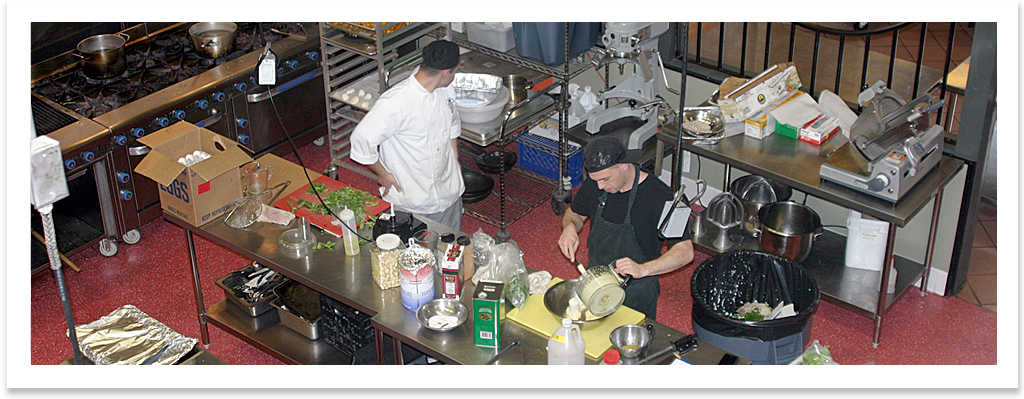
Shared food preparation environments represent a significant risk for allergen cross-contact, particularly when appropriate cleaning protocols for cookware, utensils, and workspaces are not adhered to. Cross-contact can occur when food pans, knives, or other utensils are reused without adequate cleaning. This is especially concerning in commercial kitchens where environmental contamination is a frequent issue.
For individuals and families managing food allergies, it is advisable to inquire with kitchen managers or chefs about their preparation procedures to understand the steps taken to minimize cross-contact risks. The presence of trace amounts of allergens, such as peanut residue, can lead to severe reactions, including anaphylaxis.
Therefore, careful attention to product storage, the use of designated areas for allergen-free foods, and adherence to inclusion initiatives are crucial components of safe food handling practices.
Resources are available for further guidance on managing allergen risks, including consultation of relevant pages and platforms. Engagement with social media and corporate partners may also provide additional resources and support.
It is essential to be well-prepared to prevent health risks associated with allergens and to advocate for privacy in accordance with established policies.
Recognizing High-Risk Food Allergens
A comprehensive understanding of high-risk food allergens is essential for preventing severe allergic reactions and ensuring safety in food service environments. The “Big Eight” allergens—milk, eggs, fish, shellfish, tree nuts, peanuts, wheat, and soy—are identified as the most common sources of allergenic reactions.
In commercial kitchens, the potential for cross-contact is significant; for instance, using shared equipment or improperly cleaned utensils can lead to serious health risks, including anaphylaxis, a potentially life-threatening condition triggered by allergens.
It is advisable to consult with chefs, managers, or product suppliers regarding allergen control protocols, as well as to familiarize oneself with the relevant labeling on food products.
For families managing food allergies, effective preparation strategies, transparent communication about allergen presence, and ongoing environmental initiatives are key components in promoting safety and fostering an inclusive living environment.
Adopting these practices not only supports the health of individuals with allergies but also contributes to the overall safety standards in food-related settings.
Effective Cleaning Methods for Allergen Control
Effective cleaning methods are essential for allergen control, particularly in kitchen and food service environments, where even minute traces of allergens can provoke significant reactions. Starting with hot, soapy water for the cleaning of pans, utensils, and surfaces is a fundamental practice.
While commonly used disinfectant wipes may offer convenience, their efficacy in minimizing allergen contamination is often inferior to that of specialized commercial products, such as those provided by Clorox®.
To enhance allergen management, it is advisable for chefs and managers to designate specific cleaning tools solely for allergy-friendly food preparation. This practice can help mitigate the risk of cross-contamination and safeguard the health of individuals with food allergies.
In cases where allergens such as peanut residue are present, utilizing a dishwasher for thorough cleaning can be beneficial, as the high temperatures and detergent effectiveness contribute to better allergen removal.
Staying informed about current environmental health initiatives is also crucial. Engaging with resources provided by organizations in the field of clinical immunology, which may include their social media channels, can provide valuable updates and guidelines related to allergen management in food settings.
Safe Practices for Cooking at Home
When preparing food at home, it is essential to minimize the risk of allergen cross-contamination. This requires diligent attention at every stage of the cooking process.
Initially, it is advisable to thoroughly wash all pans, utensils, and cutting boards with hot, soapy water before beginning any allergen-free food preparation.
Proper storage is also critical; allergen-free ingredients should be stored separately from those containing allergens. Environmental factors should not be overlooked, as even trace amounts of allergens, such as peanuts, can potentially trigger severe reactions like anaphylaxis in sensitive individuals.
An effective strategy is to cook allergen-free dishes first. These dishes should be covered to protect them from any possible contamination. In addition, it is important to wash hands thoroughly after handling any allergens.
For families managing allergy risks, routine cleaning practices are pivotal. For more comprehensive guidance on safe cooking practices and allergen management, individuals are encouraged to consult resources from Clinical Immunology or seek advice from culinary professionals or personnel trained in Inclusion Initiatives.
Key Protocols for Dining Out with Food Allergies
Dining out with food allergies necessitates a careful approach due to the potential for cross-contamination and the complexities of food preparation processes. It is advisable to engage directly with the restaurant staff, particularly the chef or manager, to inquire about their food preparation protocols and the specific pans used in cooking. This is especially important for allergens such as peanuts, which may be prevalent in their menu options.
Bringing a written allergy card can facilitate clear communication about dietary restrictions and allergen avoidance. Additionally, it is prudent to request the use of separate utensils and the provision of water that has not been contaminated by allergens during the meal service.
Employing effective cleaning methods, such as using commercial wipes, can help mitigate risks associated with environmental contamination. These practices contribute to creating a safer dining experience for individuals with food allergies and support broader inclusion efforts for families managing such conditions.
Engaging with restaurant staff based on established standards derived from clinical immunology research is essential in reducing the risk of anaphylaxis. Ultimately, the proactive management of food allergies when dining out necessitates clear communication and a thorough understanding of restaurant food handling practices.
Essential Communication Strategies with Food Service Personnel
Clear communication with food service personnel is essential for ensuring safe dining experiences for individuals with food allergies. It is important to directly engage with the chef or manager regarding specific allergen concerns, such as peanuts, dairy, or other commonly used ingredients. Providing written instructions related to allergies can enhance clarity and ensure that all parties involved understand the necessary precautions.
In addition, it is advisable to inquire about the food preparation process. Questions regarding the use of separate pans, utensils, or water can help determine whether there is a significant risk of cross-contamination. It is also prudent to confirm which staff members will be handling the food, as this knowledge can help further minimize the risk of exposure to allergens.
Furthermore, it can be beneficial to consult the restaurant's website or social media platforms for information on their allergy initiatives and cleaning protocols. This approach not only strengthens communication with the establishment but also serves to support families managing food allergies and promote overall environmental health in commercial kitchens.
Clear and effective communication strategies are vital in fostering a safer dining environment.
Allergen Controls in Food Production Facilities
Effective allergen controls in food production facilities are essential for safeguarding consumer health and ensuring compliance with food safety regulations. It is important to systematically identify all allergens utilized in your commercial kitchen, including peanuts and wheat.
Each product preparation area, cooking utensil, and water source should be appropriately segregated to prevent cross-contamination.
Training protocols must be established for all chefs and managers to enhance their understanding of allergy risks, cross-contamination, and relevant health initiatives. This training should be based on insights from clinical immunology experts to provide accurate and actionable information.
Moreover, facilities should adopt environmental and cleaning protocols that are effective in managing allergens. This is particularly critical for families dealing with severe allergic reactions, such as anaphylaxis, as it promotes a safer dining experience.
For further resources and updates on allergen control practices, stakeholders are encouraged to visit the relevant informational page, reach out with inquiries, or review privacy policies and social media updates.
Laboratory Testing and Verification for Allergen Management
Laboratory verification plays an essential role in allergen management, serving as a crucial measure to ensure the safety of food products for individuals with allergies. Various testing methods, including Enzyme-Linked Immunosorbent Assay (ELISA), Lateral Flow testing, and Polymerase Chain Reaction (PCR), are commonly utilized to detect the presence of allergens like peanuts, particularly after thorough cleaning of cooking equipment and preparation areas.
Routine, risk-based testing is necessary for compliance with food safety regulations and helps address the needs of families managing allergies or anaphylaxis. Accredited laboratories are integral to maintaining product safety, often implementing environmental monitoring as part of their protocols.
For individuals seeking further information or clarification on this topic, resources such as the Clinical Immunology Page or direct inquiries with Corporate Partners can be beneficial.
Additionally, staying informed about updates in allergen management practices can be achieved by consulting culinary staff or following official channels such as Us Careers on social media platforms.
Preventive Measures During Food Handling and Service
Preventive measures during food handling and service are critical for minimizing the risk of allergen cross-contamination. Adhering to systematic protocols can significantly enhance food safety.
It is advisable to utilize separate pans and utensils when preparing allergenic and non-allergenic foods. This separation helps to mitigate the risk of cross-contact, which is particularly relevant for common allergens such as peanuts.
Effective cleaning practices are fundamental in reducing contamination risks. Utilizing hot, soapy water or industry-recognized commercial cleaning products can ensure that surfaces and equipment are adequately sanitized.
However, it is important to note that proper hand hygiene is essential; handwashing should be prioritized over relying solely on hand sanitizers to remove allergens.
Food service personnel should be knowledgeable about their establishment's allergy protocols. Engaging with management or consulting the establishment's Allergy Page or Privacy Policy can provide valuable information in this regard.
Furthermore, supporting initiatives that assist families dealing with anaphylaxis and promoting inclusion as well as environmental health can be beneficial.
Connections through social media platforms such as Facebook and Twitter, along with direct outreach to corporate partners for donations or to gain insights, are viable options for contributing to these causes.
Conclusion
By understanding the risks of allergen cross-contact, you can take practical steps to protect yourself or others from allergic reactions. Make it a habit to communicate clearly, follow safe food handling protocols, and stay informed about allergens wherever food is prepared or served. With vigilance in cleaning, labeling, and preparation, you help create safer meals. Whether you’re at home, dining out, or managing a food business, your actions play a crucial role in allergen safety.